
The Allure of Risk and Reward
The psychology behind casino games is deeply intertwined with the concepts of risk and reward. Players are often drawn in by the thrill of potentially winning big, which creates a rush that is both exciting and addictive. This attraction can be understood through the lens of behavioral economics, where individuals weigh the potential benefits of a win against the risks of not winning. For those interested in enhancing their gaming experience, bitcoin sports betting sites can provide additional excitement and opportunities. The lights, sounds, and overall ambiance of a casino amplify this sensation, making the experience emotionally charged and highly stimulating. The combination of anticipation and uncertainty plays a critical role in how players engage with various games, driving them to seek that euphoric moment of victory.
Moreover, the concept of the “near miss” plays a crucial role in player behavior. When players come close to winning—such as landing two out of three matching symbols—they experience a rush similar to that of a win. This psychological phenomenon can encourage them to keep playing, believing that the next round might yield the desired outcome. Casinos are designed to capitalize on these near misses by offering rewards that are enticing enough to foster continuous engagement, even if the player is ultimately losing money. This design taps into the emotional highs players feel, making it difficult for them to walk away from the game.
The uncertainty of outcomes in games creates a tantalizing dichotomy for players. They often perceive control where there is none, falsely believing that their decisions can influence results. This illusion of control keeps players returning as they navigate between hope and disappointment. Understanding this aspect of player psychology can help casino operators design games that maximize engagement while ensuring that the odds remain in favor of the house. The environment is meticulously crafted to enhance feelings of empowerment, making it even more challenging for players to resist the lure of the games.
The Impact of Social Interaction
Social interaction is a significant factor influencing player behavior in casinos. Many players enjoy the camaraderie and shared experiences that arise in these environments, which can significantly enhance their enjoyment of the games. Whether it’s cheering for a friend’s win at a roulette table or exchanging tips and strategies at a poker game, these social elements contribute to a sense of community that can be incredibly appealing. The shared excitement can amplify the thrill of gambling, making it more than just a solitary activity.
Moreover, the presence of others can influence an individual’s decision-making processes. A player may engage in riskier behaviors in a group setting, feeling more emboldened by the energy and excitement that surrounds them. This phenomenon, known as the „bandwagon effect,“ can lead to an increase in spending as players feed off each other’s enthusiasm, creating a high-stakes environment where people feel compelled to participate more aggressively than they might alone. The dynamics of group play create an intoxicating atmosphere that can blur the lines between rational decision-making and impulsive behavior.
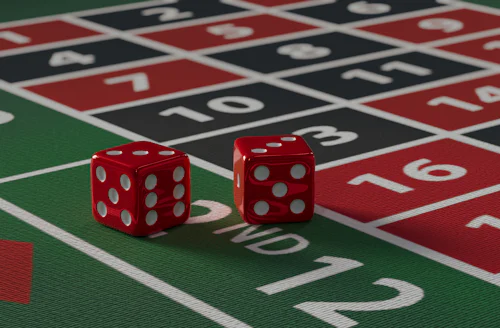
Casinos often facilitate social interaction by creating spaces designed for group play and collaboration, like poker tables and games that allow cooperative strategies. This design choice reflects an understanding of the importance of social dynamics in enhancing player satisfaction. By fostering connections among players, casinos can ensure that visitors not only enjoy their games but also develop a sense of belonging that encourages repeat visits. The social environment contributes to a richer experience, making gambling a shared adventure rather than just a solitary pursuit.
The Role of Cognitive Biases
Cognitive biases significantly shape player behavior in casinos, often leading individuals to make irrational decisions based on flawed thinking. For instance, the gambler’s fallacy—where a player believes that past outcomes will influence future results—can lead to excessive betting. If a player has lost several hands in a row, they may wrongly assume they are due for a win, prompting them to wager larger amounts in the hope of recouping their losses. This cycle of thinking can create a dangerous pattern of play that is hard to break.
Another prevalent cognitive bias is the illusion of invulnerability, where players might feel that they are immune to the typical outcomes that affect others. This mindset can result in higher risk-taking, as individuals convince themselves that they possess a unique skill or strategy that sets them apart from the average gambler. This belief is often reinforced by success stories shared within casino communities, further perpetuating the idea that winning is attainable and achievable. The narratives of success can create an unrealistic expectation and lead to increased gambling among players.
Understanding these cognitive biases is essential not only for players but also for casino operators. By acknowledging how these psychological factors influence behavior, casinos can tailor their marketing strategies and game design to effectively attract and retain players while promoting responsible gaming practices. A balanced approach provides players with a thrilling experience while minimizing the potential negative impacts of unchecked gambling behavior. Awareness of these biases can empower players to make more informed decisions, ultimately leading to a healthier gaming experience.
The Influence of Environment on Gambling Behavior
The physical environment of a casino plays a crucial role in shaping player behavior and experiences. From the layout of the gaming floor to the design of the lighting and sound, every detail is meticulously curated to create an immersive atmosphere. For instance, bright lights and vibrant colors are strategically used to grab attention and create excitement, which can lead to longer playing sessions as players become engrossed in their surroundings. The sensory overload is an intentional tactic that enhances the overall gambling experience.

Furthermore, casinos often utilize scents and sounds to enhance the gaming experience. The sound of slot machines ringing or the clinking of chips can evoke positive feelings associated with wins and reinforce the excitement of play. Research suggests that certain scents can also influence mood and spending behaviors, prompting casinos to implement aromas that are both enticing and conducive to a spending atmosphere. This multi-sensory approach is vital in creating an environment that encourages prolonged engagement and frequent visits.
Additionally, the layout of gaming areas is designed to encourage movement and exploration. Players are often guided through a maze of machines and tables, prompting them to try new games and extend their visit. This carefully crafted environment capitalizes on the curiosity and impulsiveness inherent in human nature, ultimately leading to increased player engagement and, consequently, higher revenue for casinos. The strategic design of the casino space is a powerful tool that shapes how players interact with the environment and with each other.
Responsible Gaming and Player Awareness
In light of the psychological factors influencing gambling behavior, there is an increasing emphasis on responsible gaming practices. Both casinos and advocates recognize the importance of promoting a healthy relationship with gambling, steering players away from potential addiction and ensuring their overall well-being. This approach includes providing resources for education and support, allowing players to understand their behavior and identify when they might need help. The integration of responsible gaming initiatives is becoming a standard practice in the industry.
Many casinos are now incorporating features that encourage self-awareness among players. These can include tools that allow individuals to set betting limits or keep track of their time spent playing. By fostering a culture of responsibility, casinos aim not only to protect players but also to maintain their reputation and ensure long-term profitability through customer loyalty. The implementation of these features reflects a growing commitment to the welfare of players, creating a safer gaming environment.
The commitment to responsible gaming extends beyond the walls of the casino. Research and outreach programs focus on educating the public about the risks associated with gambling and advocating for healthier habits. By prioritizing player awareness and education, the gaming industry can create an environment where entertainment thrives while minimizing the adverse effects of gambling. This proactive approach helps to balance the excitement of gaming with the need for responsible enjoyment.